

Defense Industrial Base Accelerator
Four conversations examining how government, industry, and the sustainment community are working together to strengthen America’s defense industrial base, from supply-chain resilience and workforce development to critical materials and regional sustainment.

Beyond Earth
As space becomes the next operational domain, logistics is rapidly emerging as the critical enabler of both national security and commercial growth. In this episode of The Logistics Lens, Kevin sits down with Adam Merchant, Chief Revenue Officer at LEAP, to explore how space logistics is evolving from concept to capability.
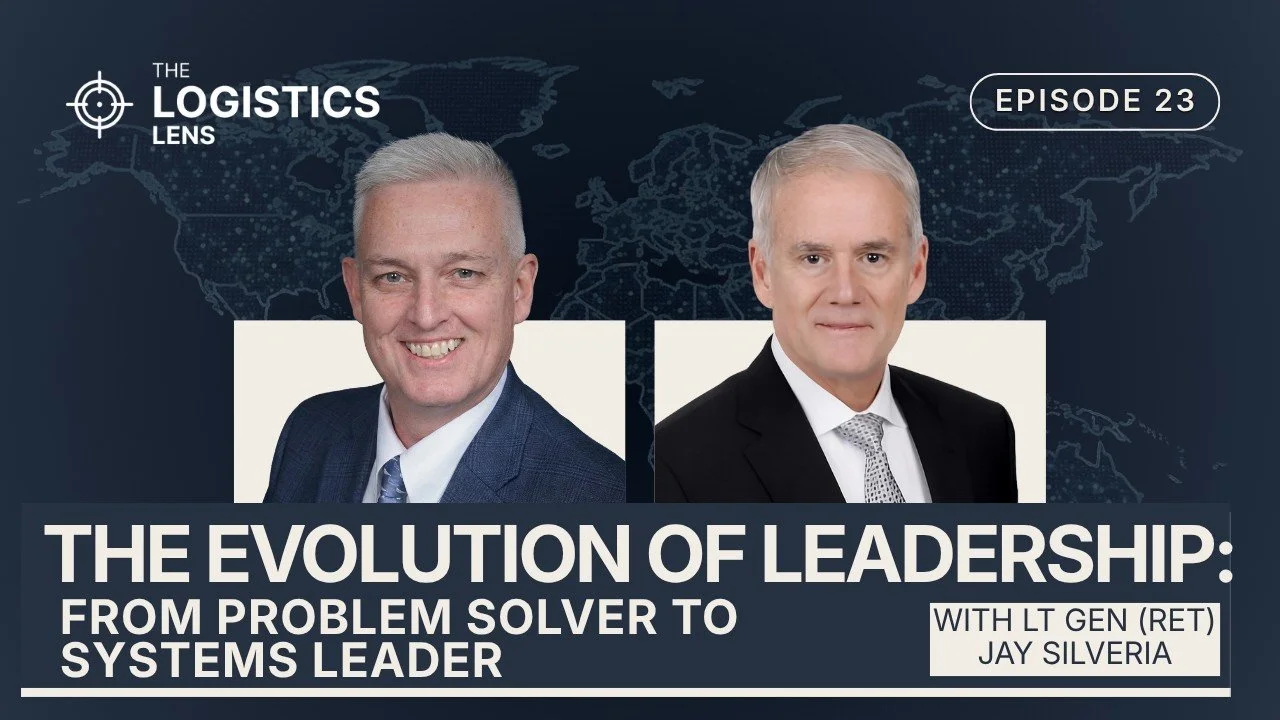
The Evolution of Leadership
Lt. Gen. (Ret.) Jay Silveria shares lessons from a remarkable career that spans fighter pilot, combat commander, Superintendent of the U.S. Air Force Academy, and now President of the University of Arkansas System.
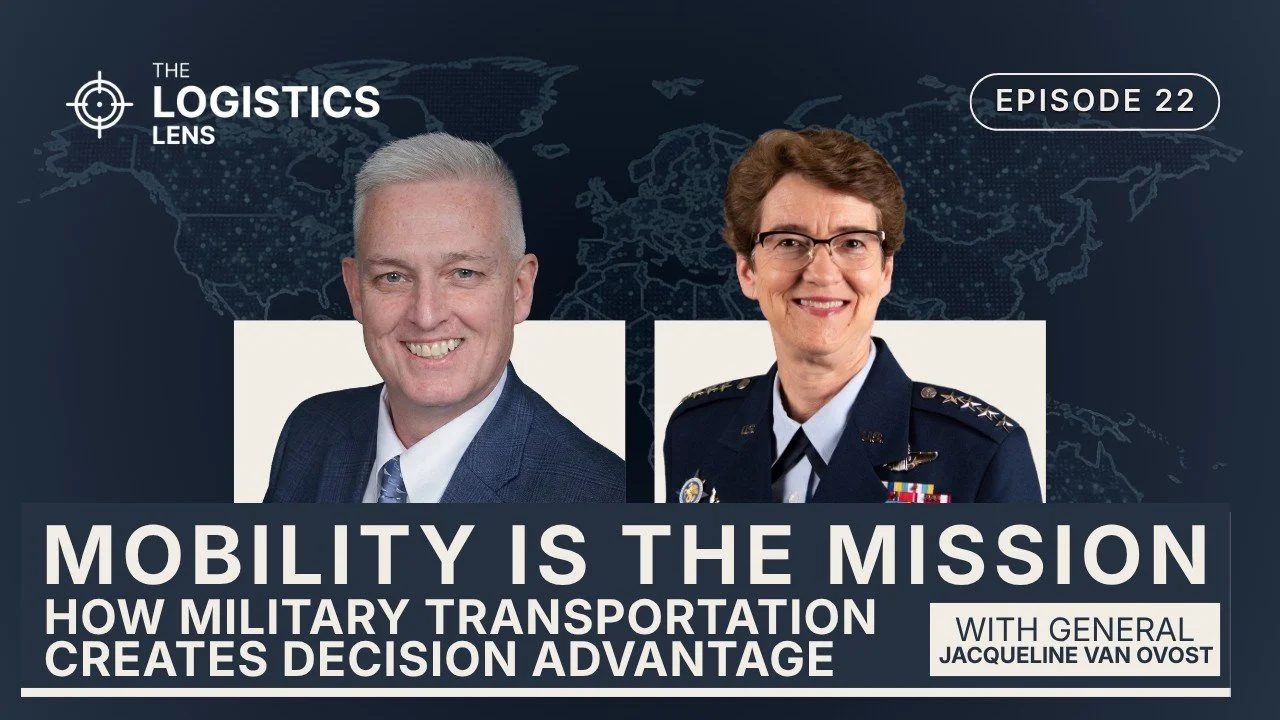
mobility is the mission
Former Commander of United States Transportation Command, General (Ret.) Jacqueline Van Ovost joins The Logistics Lens for an in-depth discussion on leadership, innovation, contested logistics, and the future of military transportation.
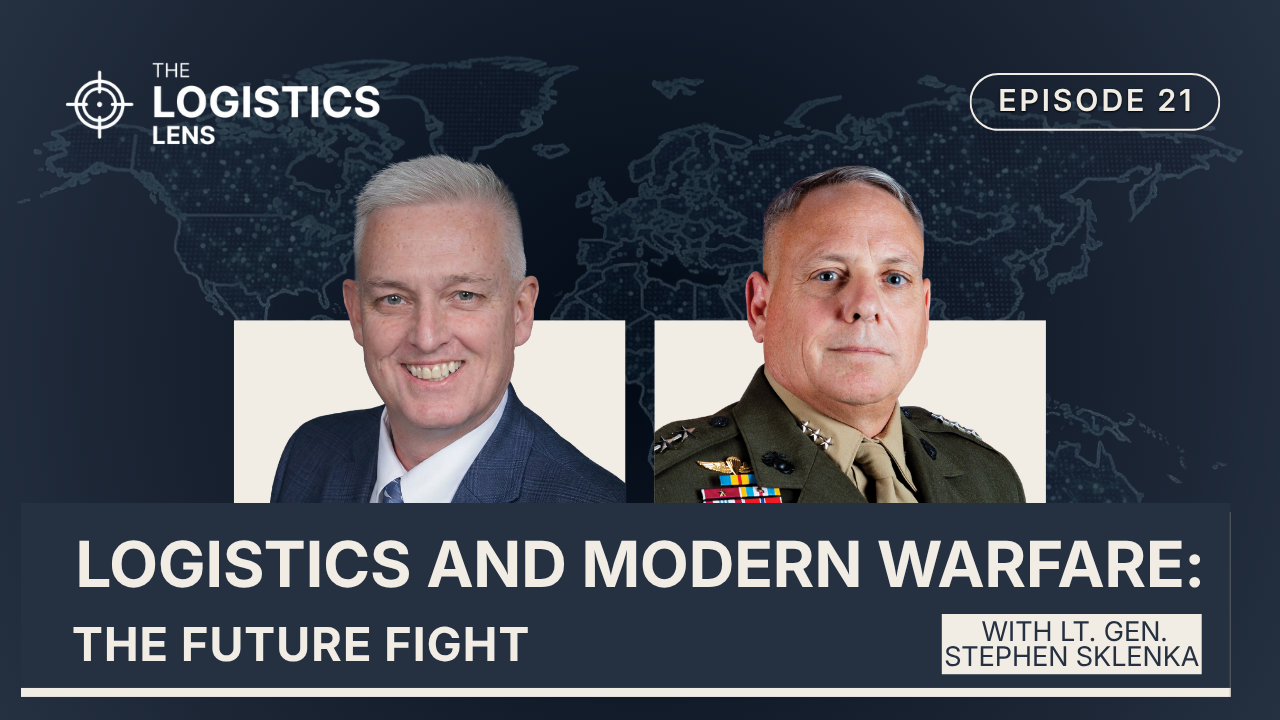
Logistics and Modern Warfare
After 38 years in uniform, Lieutenant General Stephen Sklenka joins The Logistics Lens for a candid conversation reflecting on a remarkable Marine Corps career and the future of military logistics.
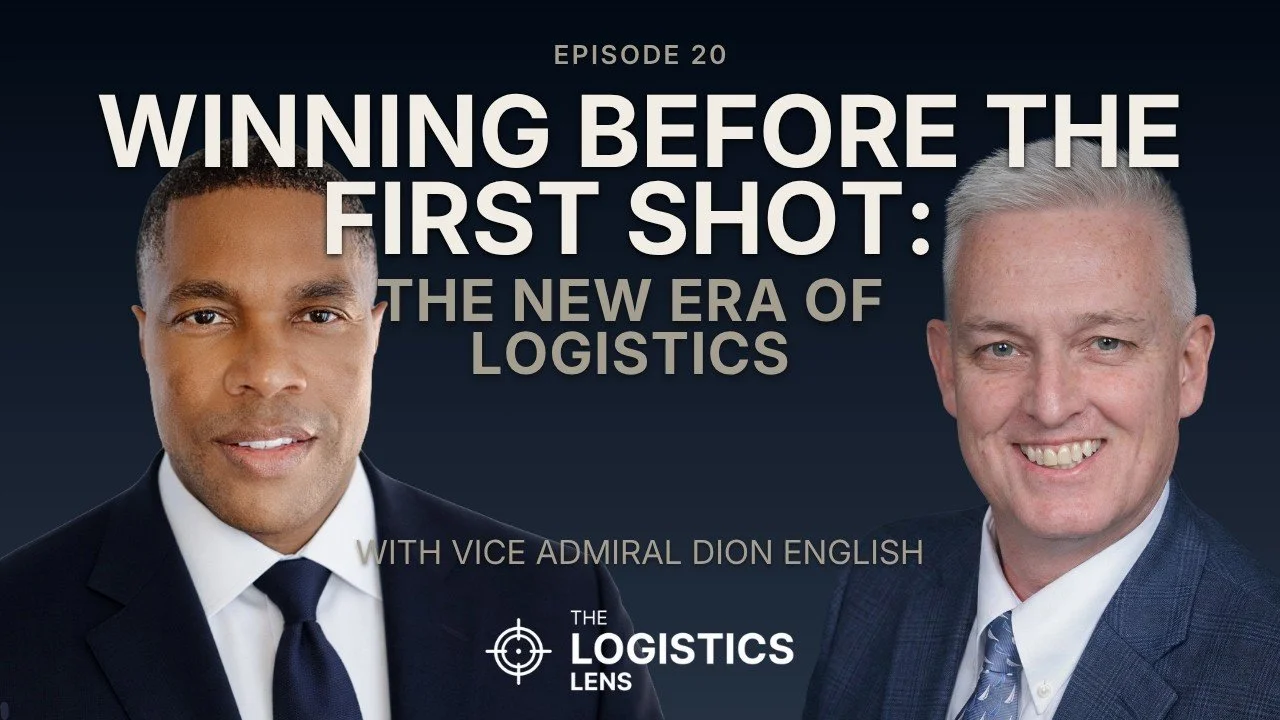
Winning Before the First Shot
In this episode of The Logistics Lens, Vice Admiral Dion English, Director of Logistics (J-4) for the Joint Staff, discusses the evolving role of logistics in modern warfare and national security. What was once viewed primarily as an enabling function is now recognized as a core warfighting capability.
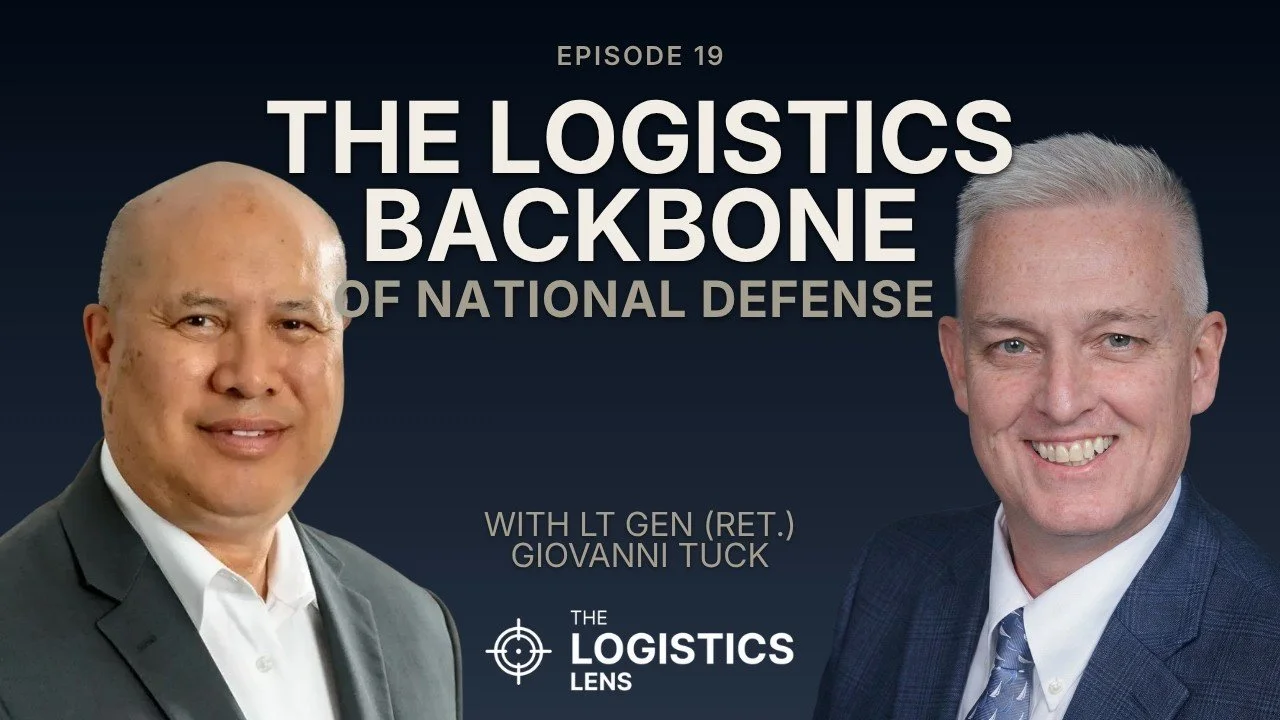
The Logistics Backbone of National Defense
In this episode of The Logistics Lens, host Kevin Sampels sits down with Giovanni Tuck (“GI” Tuck) for a wide-ranging discussion on leadership, military logistics, innovation, and the future of defense sustainment.
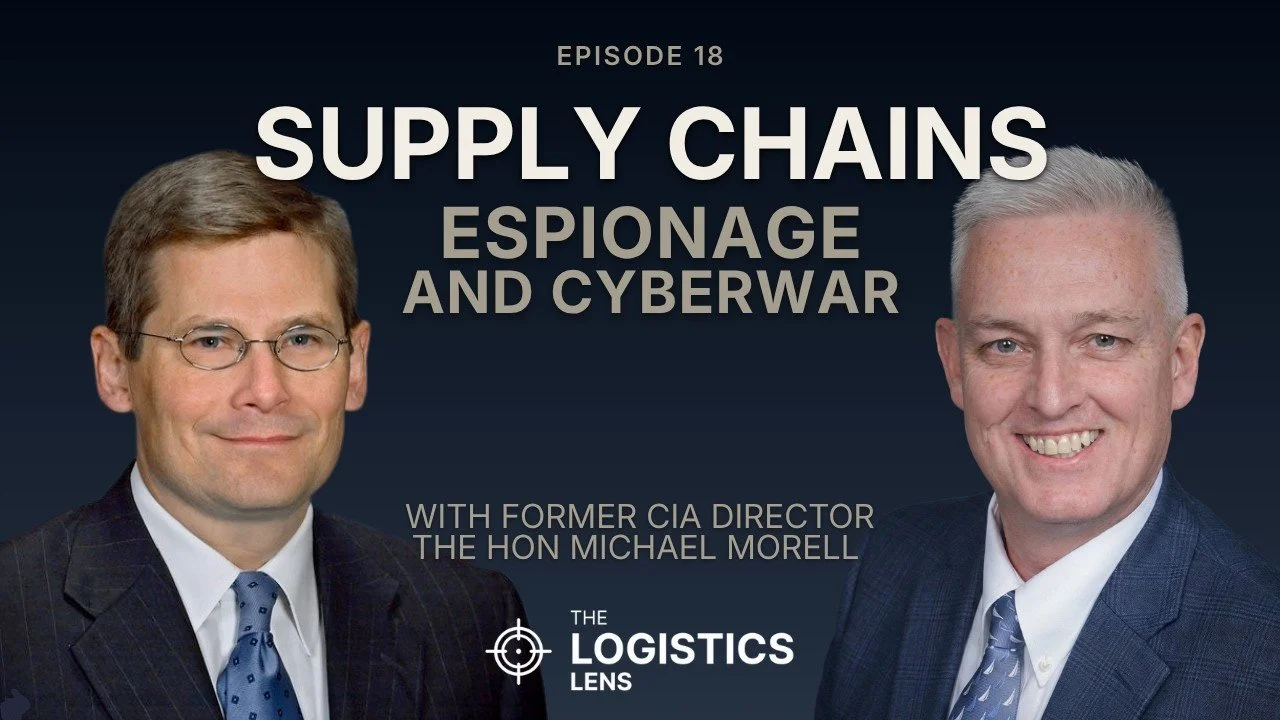
Supply Chains, Espionage, and Cyberwar
Discover the extraordinary career of Michael Morell, former Deputy and Acting Director of the CIA, as he shares behind-the-scenes stories about leadership during critical moments, the importance of logistics in intelligence operations, and the evolving threats posed by China and cyber warfare. This conversation offers valuable perspectives on national security, crisis management, and the importance of collaboration across government and industry.
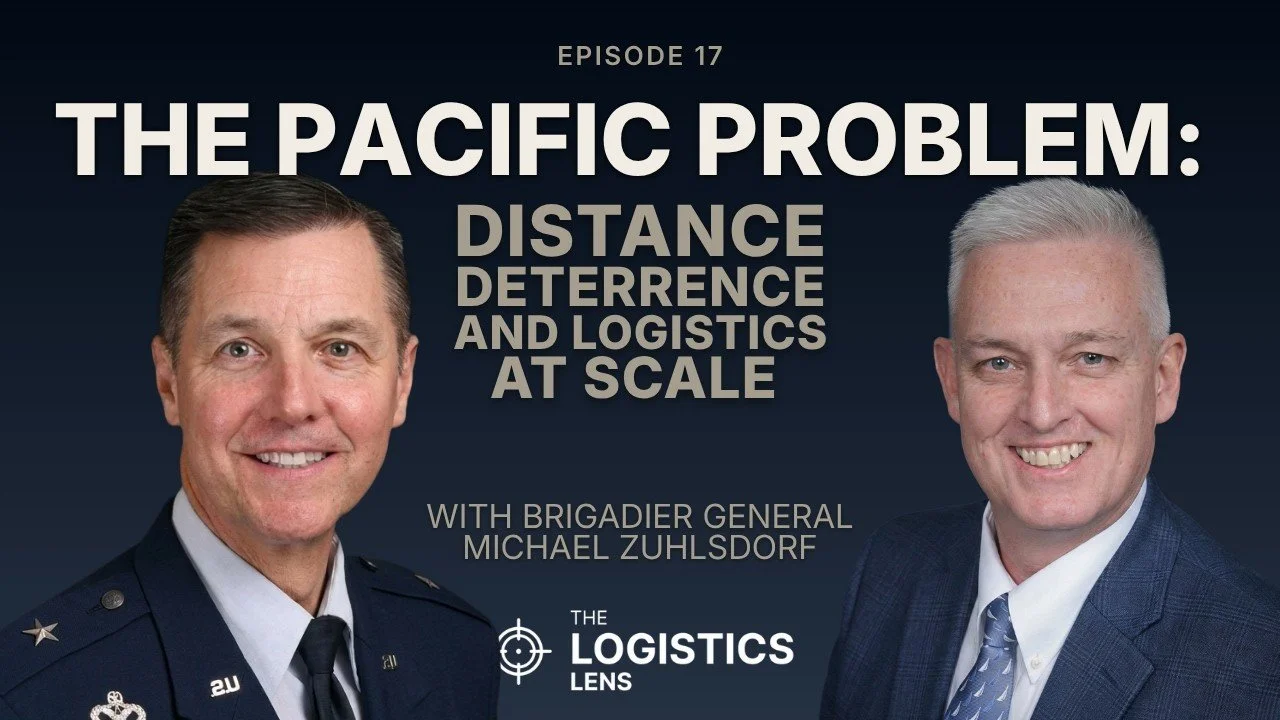
The Pacific Problems
In this episode of The Logistics Lens, Kevin Sampels sits down with Brigadier General Michael Zuhlsdorf, Director of Logistics, Engineering, and Force Protection for Pacific Air Forces (PACAF A4). From his beginnings as an enlisted Airman to shaping strategy inside the Pentagon and now executing it across the Indo-Pacific, Zuhlsdorf offers a rare end-to-end perspective on military logistics.
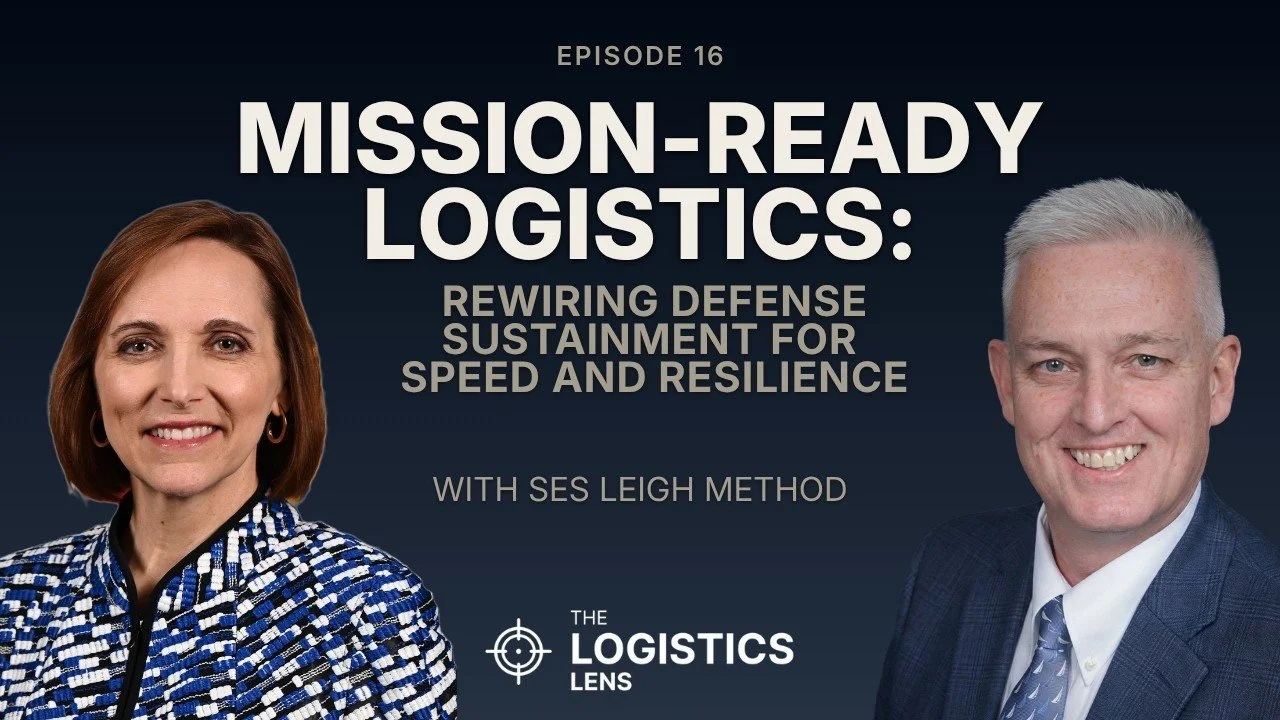
Mission-Ready logistics
In this episode, SES Leigh Method, Principal Deputy Assistant Secretary of War for Sustainment, joins the show to discuss how the Department of War is rethinking logistics for a more sustainable, resilient, and technology-driven future. From forward-based sustainment with allies to enterprise-wide supply chain risk management, she shares how new frameworks and tools are improving readiness and reducing inefficiencies.
Innovation Under Fire
In this episode, Kirk Spangenberg reflects on his Marine Corps career, from ROTC commissioning to commanding Marine Depot Maintenance Command. He shares how early combat experiences in Iraq shaped his leadership philosophy—particularly the need to innovate when standard playbooks fall short. Throughout his career, Spangenberg navigated logistics from the tactical to strategic level, including global supply chains and advanced analytics at U.S. Transportation Command.
four decades of service
In this episode, Brigadier General Max Stitzer reflects on his nearly 40-year career in the Air Force, beginning as an enlisted airman in 1984 and rising to senior leadership. He shares how what started as a six-year commitment turned into four decades of service driven by his passion for the mission and the people around him. Stitzer walks through his early roles in intelligence and command-and-control, his transition into logistics, and how his supply chain management education supported his growth.
Mission First, Functions Second
In this episode of Logistics Lens, Kevin Sampels sits down with General (Ret.) Jim Slife, former Vice Chief of Staff of the U.S. Air Force and a career special operations leader, to explore the critical... and often misunderstood...relationship between operations and logistics. Drawing on 36 years of service, General Slife shares how his perspective evolved from tactical pilot to institutional leader, highlighting why mission success depends on seamless integration between operators and logisticians.
Material Readiness in the Modern Era
In this episode, Patrick Kelleher, Deputy Assistant Secretary of Defense for Material Readiness, discusses the evolving role of logistics in modern warfare and national security. Drawing on decades of military leadership—including commanding battalions in Fallujah and contributing to Operation Warp Speed—Kelleher explains how the Department of Defense is modernizing sustainment across weapon systems, munitions, and supply chains.
Taming Data Chaos
In this episode, Kevin Sampels interviews RADM (Ret.) Doug Noble on his journey from Navy logistics officer to defense industry leader at KPMG. Drawing from his experience with the Defense Logistics Agency DLA, Doug shares how military logistics lessons apply to today’s complex supply chain challenges. The conversation explores how artificial intelligence and data analytics are transforming logistics through better forecasting, faster decision making, and improved operational efficiency.
How the Military Moves the World
How does the military move everything - from fuel and food to advanced systems - across the globe, often under pressure and in contested environments? In this episode of The Logistics Lens, we sit down with Vice Admiral (Ret.) Mark Harnitchek, former Director of the Defense Logistics Agency (DLA), to explore the critical role logistics plays in national defense and global operations. Harnitchek shares insights from his career in the U.S. Navy, including his unexpected path into logistics, his transition from submarine service to aviation logistics, and the lessons he learned leading one of the world’s largest supply chain organizations.
Preparing in Peace, Winning in War
In this episode of Logistics Lens, Kevin Sampels sits down with Alan F. Estevez, former Assistant Secretary of Defense for Logistics and Materiel Readiness and former Under Secretary of Commerce for Industry and Security. From starting as a GS-5 intern to shaping national policy, Estevez shares lessons on why logistics is central to military strategy...not just a support function.
Operational Logistics at Scale
In this episode of Logistics Lens, Lieutenant General (Ret.) John Sullivan shares insights from decades of experience leading complex military logistics operations. From mentorship and leadership development to managing high-pressure decisions in global operations, Sullivan reflects on the lessons that shaped his career. He discusses the critical role of U.S.
Trust, Technology, and Transformation
In this conversation, Vice Admiral Andy Kyte discusses his extensive career in logistics within the UK Ministry of Defense, emphasizing the importance of relationship building, modernization, and the integration of AI in logistics. He shares insights on balancing work and personal life, his responsibilities as Chief of Defense Logistics and Support, and the necessity of collaboration with industry and academia to overcome challenges in logistics.
Leadership Beyond the Mission
In this episode of Logistics Lens, Kevin Sampels interviews retired Lieutenant General Tom Miller, discussing his extensive career in the Air Force, insights on leadership, the importance of technology in logistics, and the misconceptions surrounding the logistics community. The conversation highlights the significance of relationships, agility, and weapon system health in military operations, as well as the need for senior leaders to embrace technological advancements to enhance decision-making and operational efficiency.